
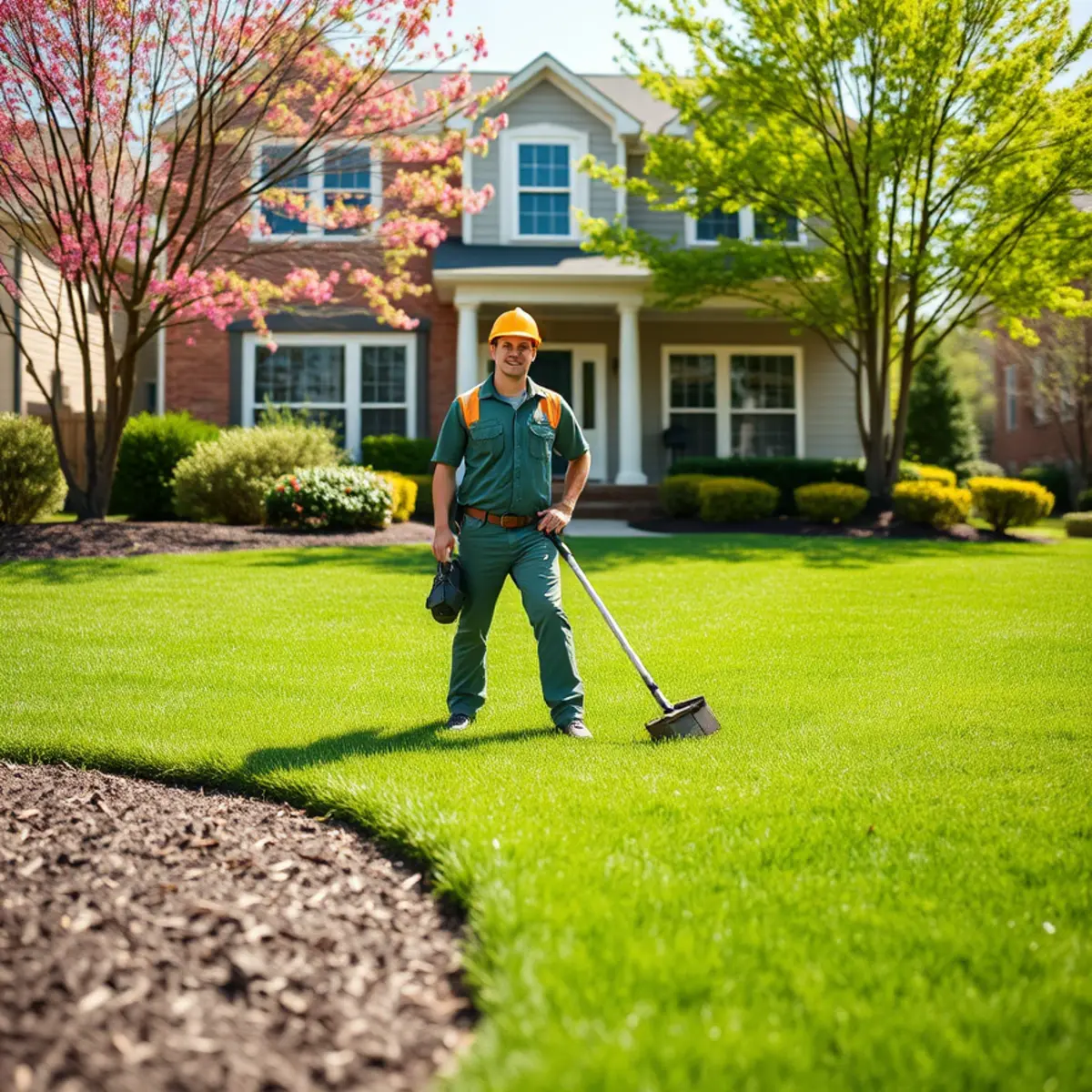
Great Atlanta lawns are not luck. They are timing. Do the right task in the right month and the grass almost takes care of itself. Miss the window, though, and you spend the rest of the year playing catch-up. This calendar lays out what to do and when, for both warm-season and cool-season lawns.
Keep in mind that Atlanta weather does not read the calendar exactly, so watch the soil and the grass, not just the date. Use this as your month-by-month game plan and adjust for the season we actually get.
Winter (December through February)
Winter looks quiet, but the most important task of the year hides right at the end of it. Warm-season grasses are dormant and tan, and there is little to mow. Use the downtime to sharpen mower blades and plan.
The big one is pre-emergent. In metro Atlanta, put down your spring pre-emergent when soil temperatures near 55 degrees, which usually falls late January through mid February. Nail that window and you stop crabgrass and other summer weeds before they ever sprout. A day or two late can mean a summer of weeds, so this is the timing a good fertilization and weed control program is built around.
Pro Tip: Watch Soil Temp, Not Air Temp
Crabgrass germinates on soil temperature, not the weather app. Pre-emergent needs to be down before the soil holds near 55 degrees, which in Atlanta usually means late January to mid February. When you see the first forsythia blooming yellow around town, your window is closing. Do not wait for warm afternoons.
Spring (March through May)
Spring is green-up season, and it is tempting to rush it. Resist. Do not push heavy nitrogen fertilizer onto warm-season grass until it is fully out of dormancy and mostly green, usually mid to late spring. Feeding too early wakes weeds more than grass.
- Mow off the dead winter growth as the lawn greens up to let sun reach the soil.
- Apply a second pre-emergent about eight to ten weeks after the first to keep the barrier intact.
- Begin regular mowing as growth picks up, and keep the blade sharp.
- Start fertilizing warm-season grass once it is truly green and actively growing.
Cool-season fescue is at its best in spring. Keep it mowed a bit taller and watch for early weeds. Homeowners in leafier areas like Brookhaven often carry more fescue because of the shade, so their spring rhythm runs a little different.
Summer (June through August)
Summer is prime growing time for Bermuda and Zoysia, and prime stress time for fescue. This is when good mowing habits and disease awareness earn their keep in our heat and humidity.
- Mow often and never remove more than a third of the blade at once.
- Water deeply and early in the morning, following Georgia watering guidelines, rather than a light sprinkle every day.
- Watch for brown patch and dollar spot in humid stretches, especially on fescue and St. Augustine.
- Keep mower blades sharp, because a clean cut resists disease better than a ragged tear.
This is also the season people call about sudden brown circles in the lawn. Nine times out of ten it is fungal disease driven by heat, humidity, and overwatering, not lack of water. Cut back on evening watering before you reach for anything else.
Fall (September through November)
Fall is the most important working season for lawn health in Atlanta, and it splits sharply by grass type. This is when you set up next year.
For fescue, fall is go time. Cooler nights make September and October the ideal window for aeration and overseeding, which relieves our compacted red clay and thickens the stand before winter. For warm-season grass, ease off nitrogen as growth slows and let the lawn harden off for dormancy. Apply a fall pre-emergent to block winter weeds like annual bluegrass.
Then come the leaves. Our tree canopy is beautiful until it buries the lawn, and a thick leaf mat left over wet grass smothers turf and invites disease. Staying ahead with regular leaf removal and cleanup keeps the lawn breathing through the fall.
A Quick Month-by-Month Cheat Sheet
- January to February: Apply spring pre-emergent as soil nears 55 degrees.
- March to April: Mow off dead growth, apply the second pre-emergent, and watch weeds.
- May: Begin fertilizing warm-season grass once it is fully green.
- June to August: Mow high and often, water deep and early, and watch for disease.
- September to October: Aerate and overseed fescue, and apply fall pre-emergent.
- November: Stay ahead of falling leaves and wind down mowing.
- December: Rest, sharpen blades, and plan for next season.
Why Timing Beats Effort
You can work hard on a lawn all year and still lose if the timing is off. A homeowner who lays down pre-emergent on the right February week will have a cleaner lawn in July than the neighbor who fights weeds by hand every weekend. Folks across Sandy Springs and the metro see the difference the first full season they get the calendar right.
Get a Free Estimate From PinStripe
Want the timing handled for you? We run this calendar for lawns all over metro Atlanta, so the right task happens in the right week without you tracking soil temps and weed cycles. Free estimates, no long-term contracts, and same-day service when the schedule allows. Call PinStripe at (323) 606-0255 and let us keep your lawn on schedule all year.
PinStripe Landscaping & Pro Svcs
Locally owned lawn care & landscaping in Grant Park, Atlanta. Serving Metro Atlanta for 7+ years.