
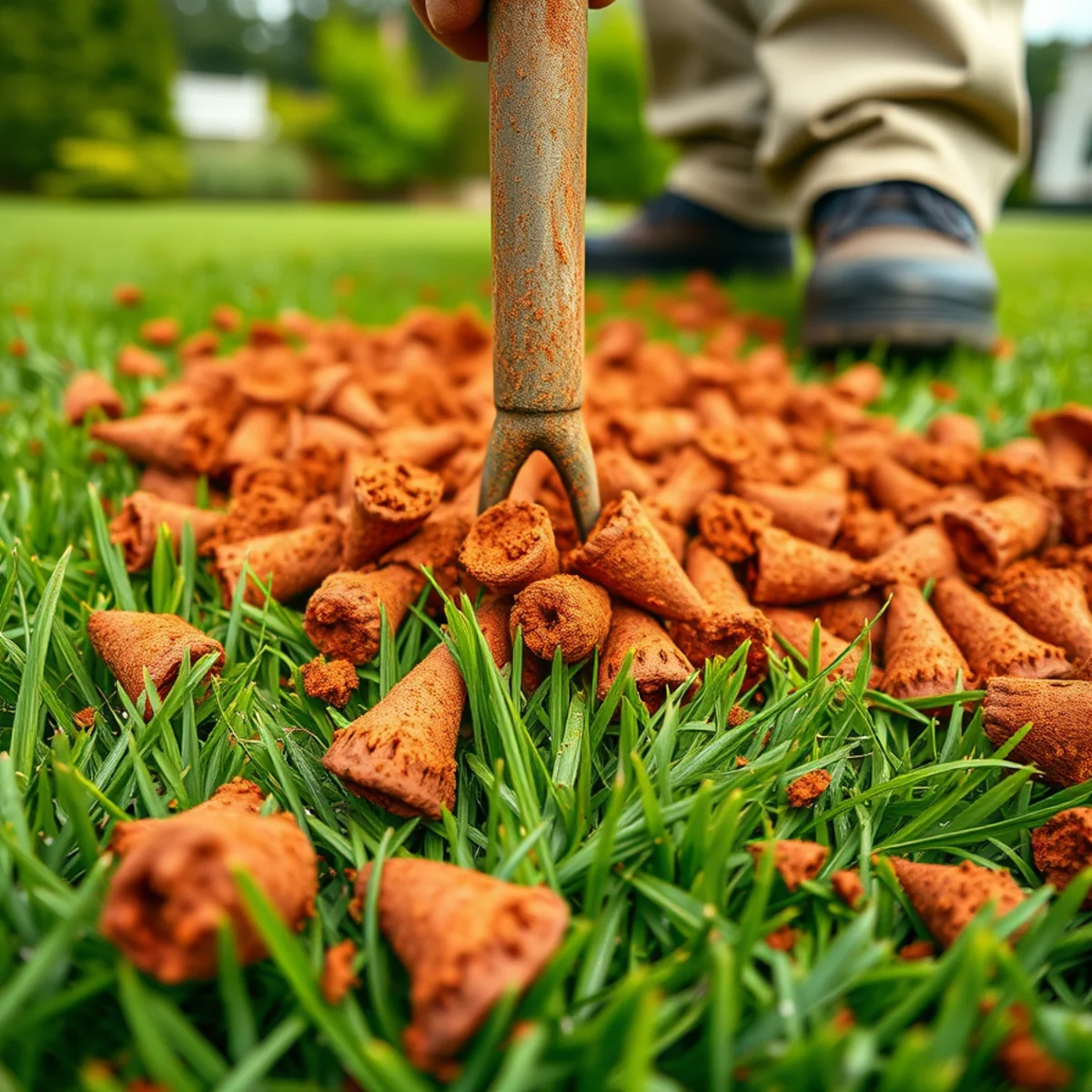
If you gardened up North and then moved to Atlanta, that first shovelful of red clay probably stopped you cold. It is dense, sticky when wet, and hard as brick when dry. Georgia red clay is the number one reason lawns here struggle, but the good news is you can absolutely fix it.
You are not going to trade your clay for black topsoil overnight. Improving it is a process, not a weekend project. Do it right, though, and that same stubborn clay becomes a deep, fertile base that holds nutrients better than sandy soil ever could.
Why Red Clay Is So Hard to Work With
Red clay is made of extremely fine, tightly packed particles. That structure causes almost every problem Atlanta homeowners run into with their yards.
- Compaction. The fine particles pack down hard, and grass roots and air cannot push through.
- Poor drainage. Water sits on top or runs off instead of soaking in, so roots stay shallow and thirsty.
- Nutrient lockup. Clay actually holds nutrients well, but compaction keeps roots from reaching them.
- Acidity. Many Atlanta clay soils run acidic, which limits how well grass can use the food that is there.
Put those together and you get thin, patchy grass that struggles no matter how much you water or feed it. The fix is to open the soil up and feed it organic matter over time.
Start With a Soil Test
Do not guess, test. Before you spread a single bag of anything, get a soil test through your county extension office. It is cheap and it tells you exactly what your yard needs, especially the pH and whether you need lime.
This one step saves money and prevents damage. Dumping lime on soil that does not need it can push the pH the wrong way and cause new problems. A test takes the guesswork out and gives you a real starting point.
Core Aeration: The Single Best Fix
If you do only one thing for your clay, make it core aeration. A core aerator pulls thousands of small plugs of soil out of the ground, which instantly relieves compaction and opens channels for air, water, and roots.
Those holes also give you a perfect chance to work organic matter down into the soil instead of just laying it on top. Annual core aeration and overseeding is the backbone of fixing clay, and it is the treatment I recommend first to almost every homeowner in East Atlanta fighting a hard-packed yard.
Pro Tip: Never Work Clay When It Is Wet
Wet red clay smears and compacts even worse, undoing your effort and leaving a dense, glazed layer behind. Aerate or till only when the soil is moist enough to crumble but not sticky. Squeeze a handful, and if it forms a slick ball instead of crumbling, wait a few days and let it dry out.
Add Organic Matter, Season After Season
Organic matter is what truly transforms clay. Compost, in particular, separates those tight particles, feeds soil life, and builds the crumbly structure that lets roots breathe. This is the long game, and it pays off.
- Top-dress with a thin layer of quality compost, especially right after aerating so it falls into the holes.
- Leave mulched grass clippings on the lawn to return organic matter with every mow.
- Use leaf mulch in beds rather than bagging every leaf, so it can break down and feed the soil.
- Repeat every year. One application helps, but years of it rebuild the soil for good.
For beds and bigger projects, this is where a thoughtful landscape design and installation pays off, because we can amend the soil deeply and build proper drainage before a single plant goes in.
Handle Acidity With Lime, but Only If You Need It
If your soil test shows low pH, lime is the fix. It raises pH into the range where grass can actually use the nutrients in the soil, and it can make a tired lawn respond like it was fed. Apply it at the rate your soil test recommends, and remember it works slowly over months, not days.
This is exactly why the test comes first. Lime is powerful and cheap, but only the right amount helps. Guessing can overshoot and lock up nutrients in the other direction.
When to Amend Versus Start Over
Sometimes the soil is so compacted, or the grade so poor, that improving in place is a losing battle. If water pools, nothing has grown well for years, or a builder scraped off the topsoil and left raw subsoil clay, it can be smarter to amend deeply and lay fresh sod over a properly prepared base.
Starting with good soil under new sod gives roots a real chance instead of asking them to fight brick. Plenty of yards around Kirkwood sit on scraped builder clay, and a proper reset beats years of slow struggle.
Get a Free Estimate From PinStripe
Tired of fighting hard red clay? We will test the situation, aerate and amend, and build you soil that grass actually wants to grow in. Free estimates, no long-term contracts, and honest advice about whether to improve what you have or start fresh. Call PinStripe at (323) 606-0255 and let us turn that stubborn clay into a lawn you are proud of.
PinStripe Landscaping & Pro Svcs
Locally owned lawn care & landscaping in Grant Park, Atlanta. Serving Metro Atlanta for 7+ years.