
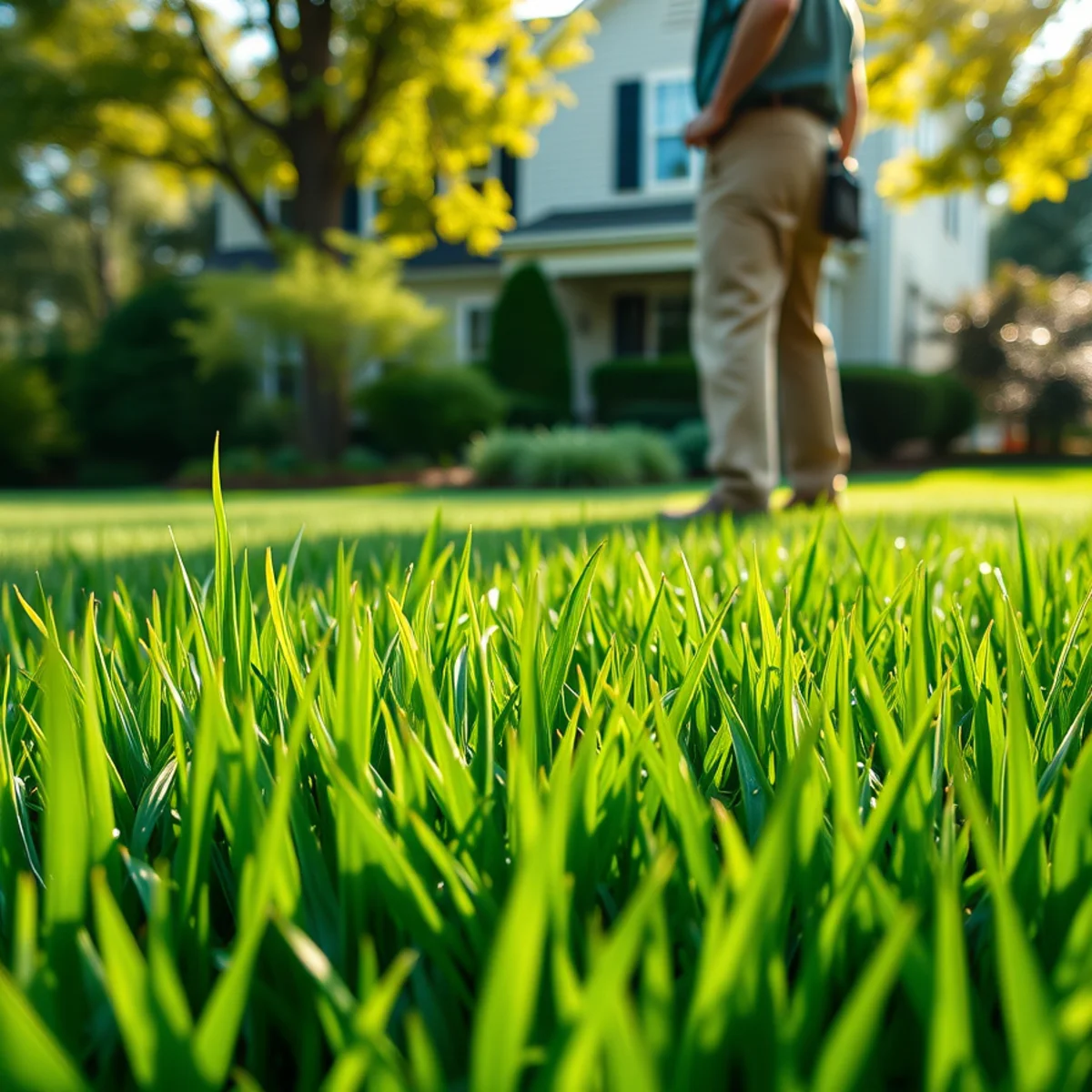
Tall fescue is the go-to cool-season grass for shady Atlanta yards. It stays green through our mild winters and handles the tree canopy better than Bermuda ever will. But by late summer, most fescue lawns look tired, thin, and patchy.
Overseeding fixes that. Done right, a fall overseed thickens your turf, crowds out weeds, and sets you up for a lush spring. Here is how we do it, step by step, on Atlanta's tough red clay.
Why Fescue Thins Out in Atlanta
Fescue is a bunch-type grass. It does not spread by runners the way Bermuda or Zoysia do, so it cannot fill its own bare spots. Every plant that dies leaves a gap that stays a gap.
Our summers are brutal on it. Humid heat, drought stress, and brown patch disease all thin the stand from June through September. By fall, you are looking at the survivors. Overseeding replaces what the summer took and rebuilds a dense, healthy lawn.
Time It for Early Fall
Timing is everything with fescue. The sweet spot in metro Atlanta runs from mid-September through mid-October. The soil is still warm enough for fast germination, but the killing heat is finally behind you.
Seed too early and young grass fries in a September heat wave. Seed too late and it will not root before the first frost. If you miss the fall window entirely, wait until early spring rather than forcing seed down in November.
Why Not Spring?
Spring overseeding feels tempting after a rough winter, but it rarely pays off here. New fescue seeded in spring has shallow roots when the summer heat arrives, and most of it dies by July. Fall gives the grass a full cool season to establish before it ever faces an Atlanta summer.
Watch the Soil, Not the Calendar
Fescue germinates best when soil temperatures settle into the 60s. The air can still hit 85 in late September while the ground has cooled off nicely. A cheap soil thermometer takes all the guesswork out of your start date.
Prep and Aerate for Real Seed-to-Soil Contact
Good prep is half the job. Start by mowing the existing lawn shorter than usual, down around 2 inches, and bag the clippings so seed can reach the soil. Rake out heavy thatch and clear any early-fall leaves, because a blanket of debris will smother young grass fast.
Then aerate. Seed has to touch dirt to sprout, and on Atlanta's compacted red clay that is the hard part. Core aeration pulls plugs, relieves compaction, and opens thousands of little pockets where seed can settle and root. Broadcasting seed over dense, unaerated turf just feeds the birds.
This is exactly why we pair aeration and overseeding in one visit. The machine opens the soil, the seed drops right behind it, and you get the seed-to-soil contact that makes or breaks a fall overseed.
Choose Good Seed and the Right Rate
Cheap seed is expensive. Bargain bags carry weed seed, filler, and old stock with poor germination. Buy a quality turf-type tall fescue blend with a fresh test date, and spread it at the right rate for the job.
- New lawn from bare soil: about 6 to 8 pounds per 1,000 square feet.
- Overseeding thin, existing turf: about 3 to 4 pounds per 1,000 square feet.
- Check the label for germination rate and weed content before you buy.
- A blend of two or three fescue cultivars resists disease better than a single type.
Water the New Seed Right
New seed cannot dry out. Not even once. The top inch of soil has to stay moist from the day you seed until the grass is up and growing strong.
That means light, frequent watering. Mist the surface two or three times a day for the first couple of weeks, then taper off as the seedlings establish. Once the new grass is rooted, shift to deep, infrequent watering to build drought resistance. Fall rain in Decatur and Tucker helps, but never count on it to keep new seed alive.
Feed It, but Hold Off on Weed Control
New seedlings are hungry. A starter fertilizer high in phosphorus helps young roots take hold. But skip the weed-and-feed. Most pre-emergent herbicides stop grass seed from sprouting just as surely as they stop crabgrass.
Wait until your new fescue has been mowed two or three times before you apply any weed control. Our fertilization and weed control program is built around this timing, so your seed and your weed plan never work against each other.
The First Mow and Beyond
You will usually see the first green fuzz in 7 to 14 days, with most of the stand up within three weeks. Let the new grass reach about 3.5 to 4 inches before the first cut, then take off no more than the top third. Use a sharp blade so you slice the tender blades cleanly instead of ripping them out of soft soil.
Keep your regular mowing height on the tall side all winter. Fescue cut at 3 inches or higher shades the soil, holds moisture, and stays greener than a scalped lawn ever will. The stand keeps filling through fall and really hits its stride the following spring.
Get a Free Estimate on Fall Overseeding
A thick fescue lawn starts with good timing and real seed-to-soil contact. If you want it done right this fall, call PinStripe Landscaping at (323) 606-0255 for a free estimate. We are licensed, insured, and locally owned, with no long-term contracts. Just honest work and a lawn that proves it.
PinStripe Landscaping & Pro Svcs
Locally owned lawn care & landscaping in Grant Park, Atlanta. Serving Metro Atlanta for 7+ years.